What is sensory processing disorder and why do we need to understand it?
Imagine your body as a phone receiving signals and messages. Normally, your phone knows how to sort and respond to them. But if you have sensory processing disorder (SPD), your phone sometimes gets confused. It makes too much noise or vibrates too loudly when it shouldn't. This can make it difficult to do what you want, like stay calm, study in class, or play with friends.
What exactly is happening?
With sensory processing disorder, the system in your body that processes external signals, such as sound, light, or touch, doesn't function properly. This means that:
- Some people feel things too strongly. A soft sound can sound like a loud bang to them.
- Others may not feel enough. They might not notice being touched or that it's cold outside.
How do you know someone is dealing with this?
It's not always easy to tell if someone has sensory processing disorder, but there are a few clues:
- They can become very busy or very quiet when there is a lot of noise around them.
- They may not like to be touched or they may want lots of cuddles.
- Clothes with labels or seams are super uncomfortable for them.
- They might be afraid of playgrounds or they might just love spinning around really fast.
How can we help?
If you think you or someone you know might have sensory processing disorder, there are ways to make it easier:
- Talk to a doctor or someone who knows a lot about how our bodies work, such as an occupational therapist.
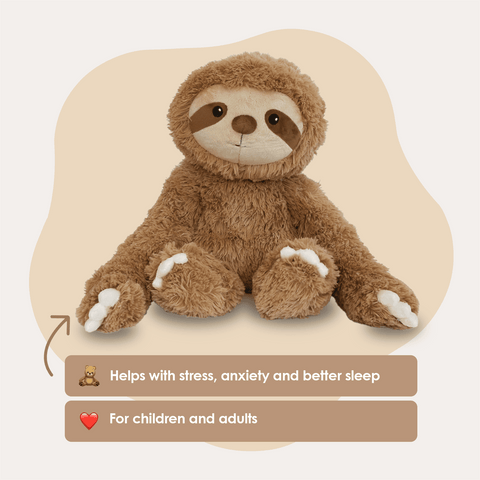
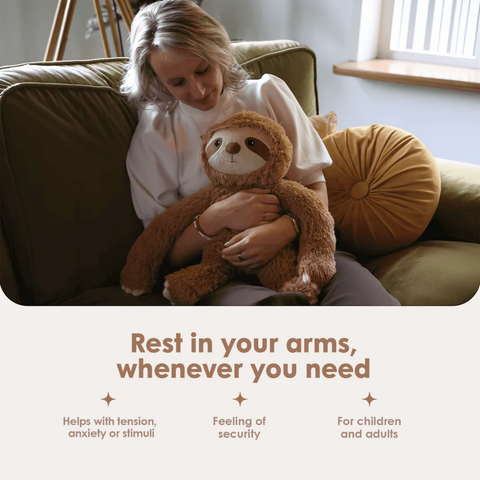
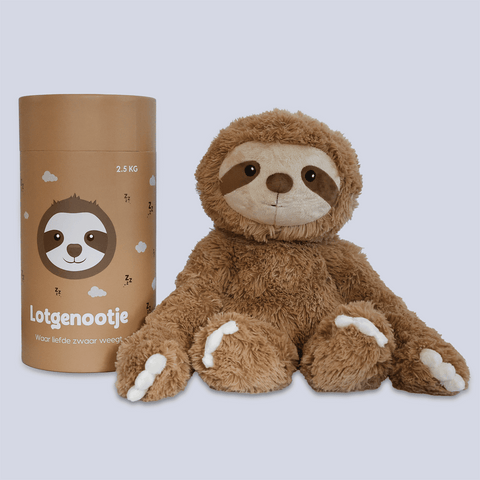
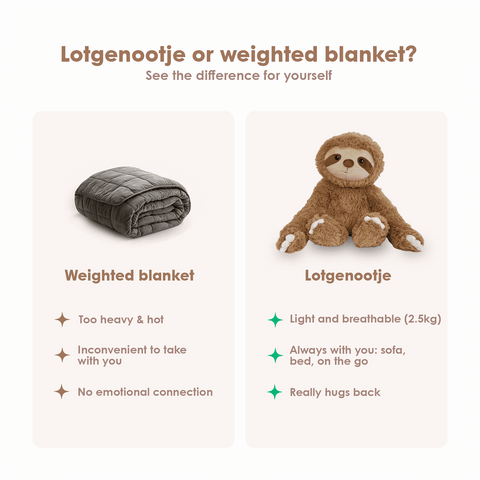
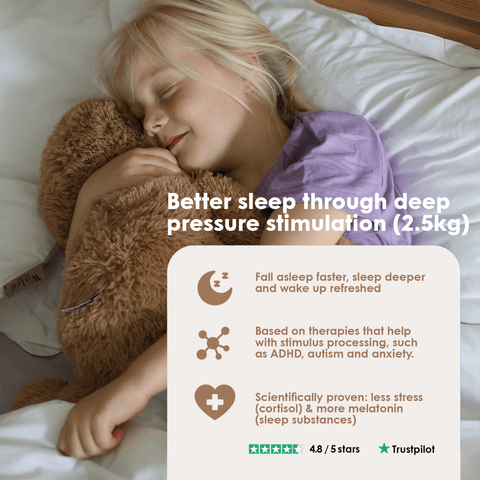
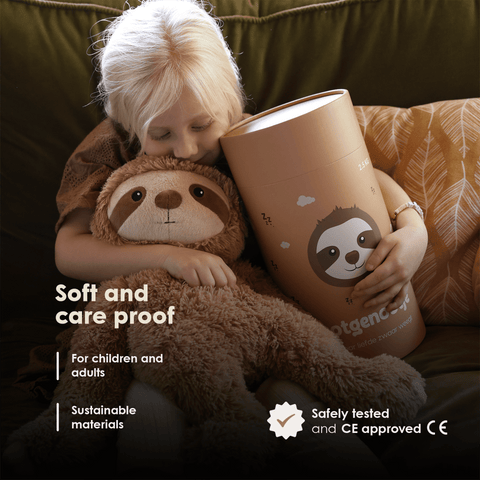
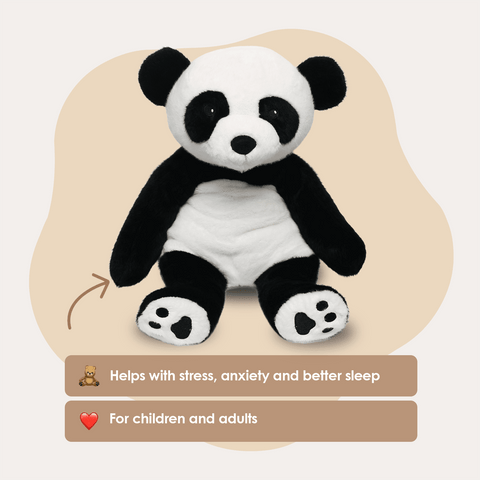
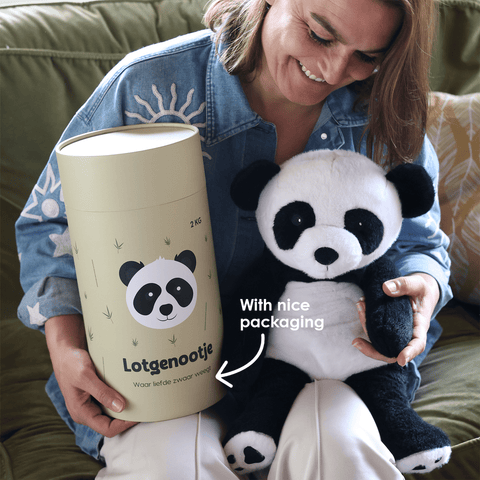
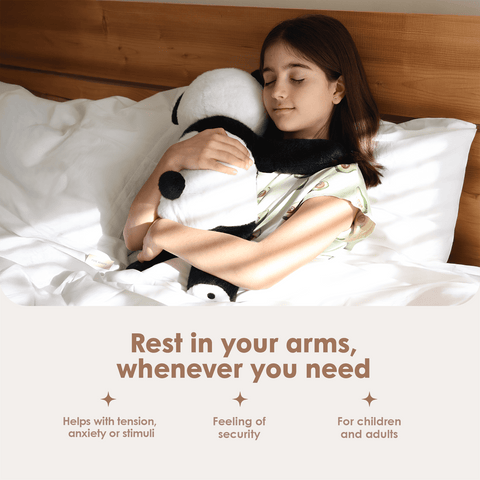
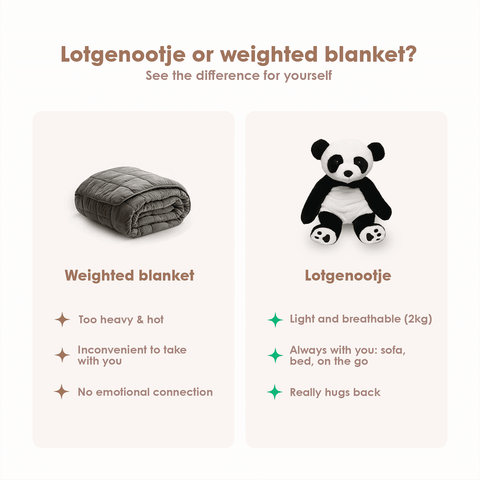
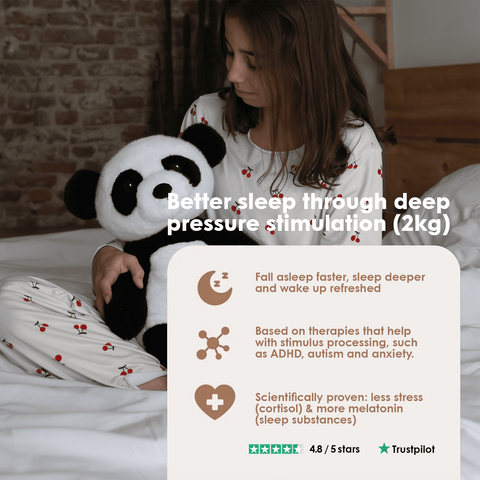
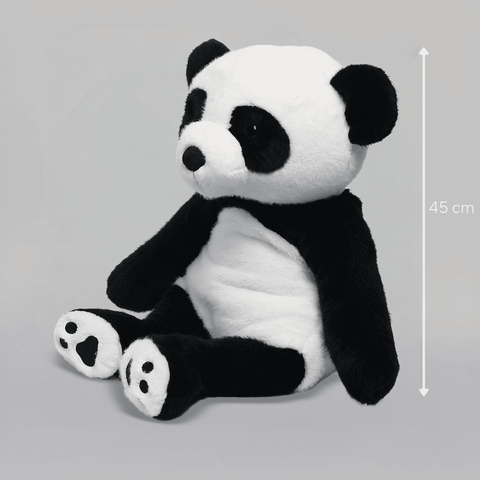
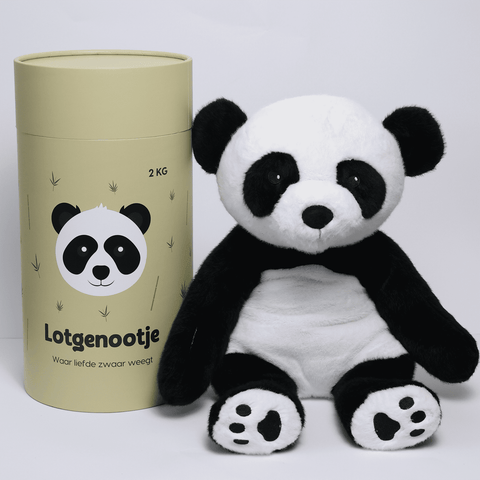
- Create a quiet place (this could even be a weighted stuffed animal ) where you can relax when the world feels overwhelming.
- Find activities that help you stay calm, such as drawing, listening to music, or fiddling with something in your hands.
Stronger together
The most important thing to remember is that everyone is different. What feels perfectly fine for one person might be overwhelming for another. By learning more about sensory processing disorder and how we can support each other, we can make the world a better place for everyone.
Time to take action
If this story sounds familiar to you, or you know someone who might be struggling with it, it's a good idea to seek help. There are many ways to learn to cope with the challenges of sensory processing disorder, and no one has to do it alone.